
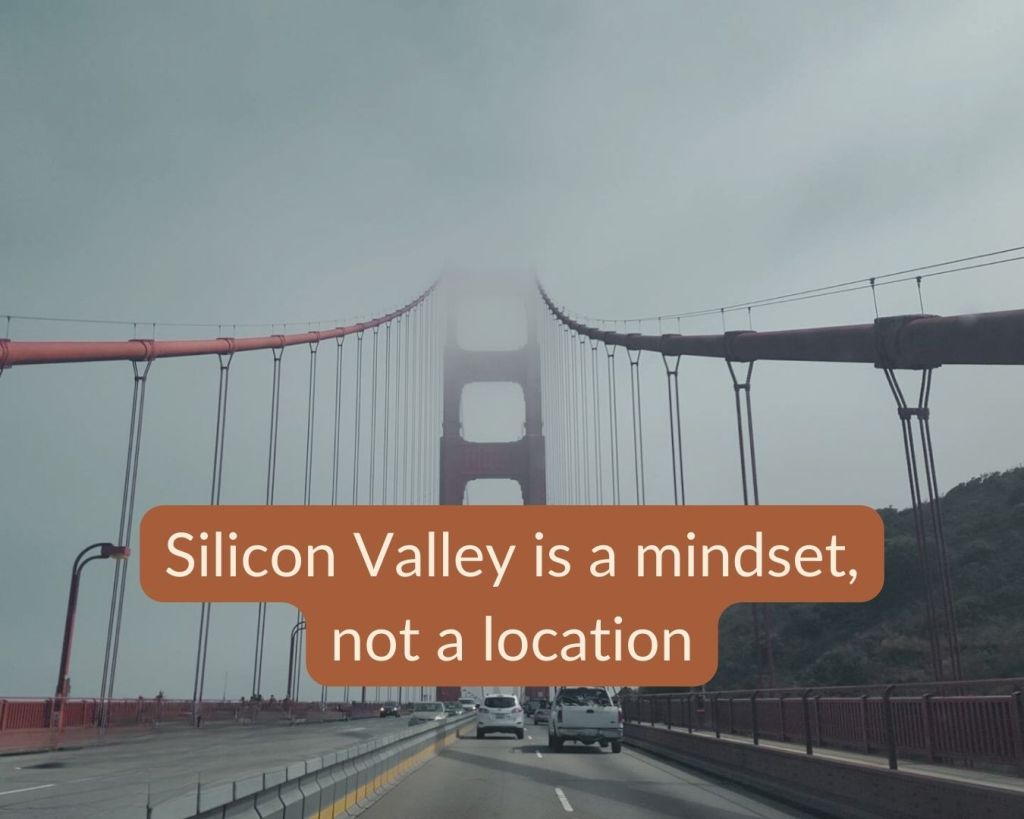
I turned exactly one Tech Year Old on October 31st 2016 (Happy Halloween!). That was a flash-back to a first day at work that I will never forget. Dracula, Zombies, injured football players (to some that is a VERY scary thing), and a new level of, well, craziness. Oh by the way, it takes about half a cup of coffee time (~5 minutes) to read this. Just a heads up!
I would like to take you with me on the journey that I have been on during my first year in Tech. A journey that has opened my eyes to a New World striving in and developing the Digital Age that we are now in.
An abundance of information was loaded into my brain when I embarked on my journey in the Wonder World of the Tech Industry. So much that I had such difficulty in figuring out why this was all happening – and how to compartmentalize the new knowledge given to me. I remembered the saying “The Best Predictor of Future Behavior is Past Behavior”. Right, so how do I get insight into what is defined as past behavior? To me, the solution became this book The New New Thing by Michael Lewis. It was published in 1999, and the book focuses on the founder of several Silicon Valley companies, James H. Clark, and the entrepreneurial culture that dominated the area during the height of the Internet boom – and so sets the standard for today’s Future Behavior.
James H. Clark’s company Netscape – one of the first and most important startups to shape the internet – brought with it changes to traditional perceptions. How valuation of technology companies became defined primarily by growth rates and secondary on profitability, employee benefits now included stock options and it became a real thing to consider if you should join a company pre or post IPO (I hear ‘Show Me The Money’ loud and clear here), how the role of the ‘Serious American Executive’ to the “no-business plan needed” Founders changed into accountability for sustainable hyper-growth and how low employee turnover is not necessarily a good thing for business anymore.
Say what? I had to look over my books from business school again. And quite right, this is not what they taught me at business school, in fact quite the opposite. No wonder I had difficulty with figuring out what was going on and why – it made no sense to me at all! But it is fun (like really really fun) to be a part of. I have to be honest here, once you get sucked in, very little will be able to ever match this ‘Woohoo’ roller-coaster feeling that is a part of our everyday life in this business, regardless your level or function.

Still, in search of clarity and answers to the How, What, Why questions piling up, I turned to the place where surely the holy grail of tech business can be found – Stanford University.
A podcast from Stanford eCorner Own Your Own Success by Venture Capitalist Kate Mitchell tells the story of valuation perspective quite well.
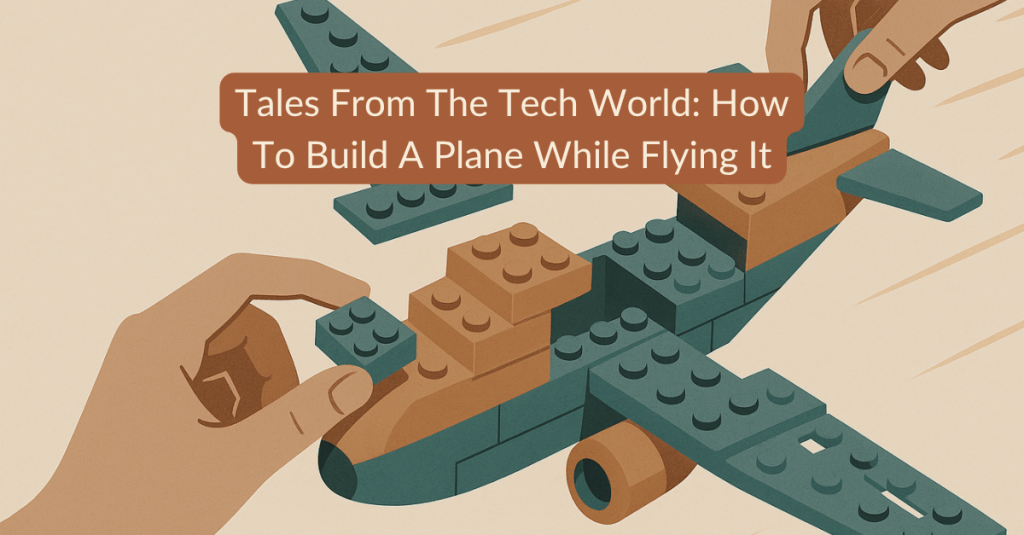
“Just at the point where we think we can land the plane, we know we can sell this thing efficiently – capital efficiently – that’s when we start to bring loads of cash. We are burning Sales and Marketing dollars, which is something you can turn on and off. When it is going well, we really start burning. We really want to make this company no. 1, 2 or 3 in its sector, because that is again how you build a big company.”
And when defining the key aspect of what VCs are looking for in tech start-ups:
“Is this a winning solution? That does not always mean that it is the best technology. The best technology does not always win, it is really what is the winning solution.”
For reference, the burn rate is “the rate at which a new company is spending its venture capital to finance overhead before generating positive cash flow from operations.” (No positive cash flow, yaiks!)
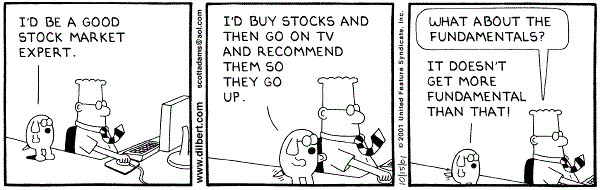
Several major tech companies are “burning” money on growth, achieving high valuations and yet not making a profit. There are many, but to mention a few familiar names take for example Tesla, Twitter, Uber, Dropbox, Snapchat (soon to IPO), and the list continues. And this all started with Netscape in early 1990s. Impressive! Here I found one of my sense-making compartments for one of my many Why questions.
Another thing that baffled me a bit was the whole stock option thing. How is this supposed to work? I thought you would just get paid for your work and that is it. Not in tech!
The employee stock option benefit came into play at Netscape during launch in 1994 to lure in the best (engineering) talent (from other start-ups and large, stable firms) and leverage M&A and IPO as the financial return on joining a start-up. To my understanding, it is equally important to be a part of the stock option benefit after the IPO as it is before (although more millionaires are made from pre IPO than post). The sentiment is the same – a financial return on your time invested in a company to ensure success in its (hyper)growth potential.
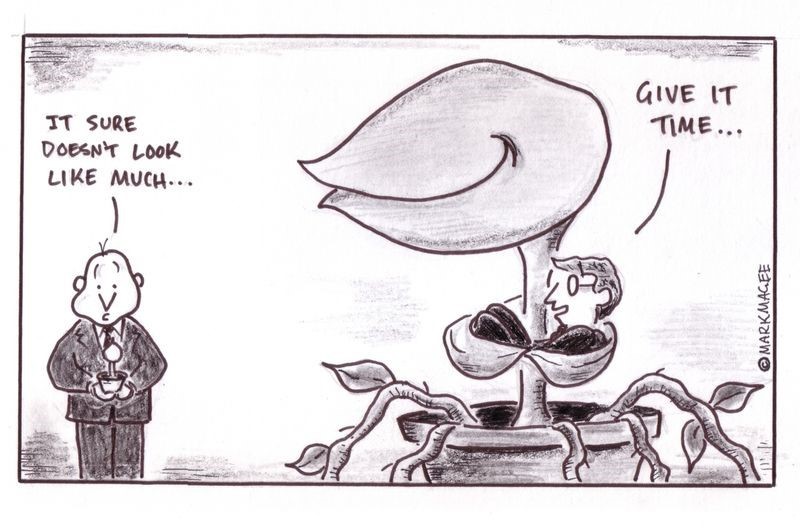
In order to realize your current tech adventure and avoid initial competition, you need talent to develop it and bring it to market. Speed, agility and growth are key, not so much the nitty-gritty details on how to actually make it profitable (at least not right away).
Enter the ‘Serious American Executive’ (think John Scully CEO and Steve Jobs Founder – Apple, Jim Barksdale CEO and James H. Clark Founder – Netscape, Mark McLaughlin CEO and Nir Zuk Founder – Palo Alto Networks). The CEO “presence was a kind of assurance that technology moved in a stable and predictable manner, the way men in suits directed it to move.” The keeper of the new new thing with the primary task to keep the story moving. Solid performance is of little interest to investors, and the capital already invested “were always threatening to move on to the latest IPO”. To ensure continued growth in stock prices as well as in the organization, “you had to remain in a state of pure possibility”. Telling the message in a way it is understandable and attractive to the market, but still maintaining the complexity and thus the intrigue that keeps investors (and employees!) happy. The steady factor in a business in full hyper-growth, and an even stronger tech leader to follow. Piece of cake, right?
I wonder if that is the reasoning behind the evolved corporate culture in tech companies? The strong leader to follow that is, the leader defining and living the core values, mission and vision every single day. I see tech companies welcome new employees to their family on LinkedIn almost on a daily basis, and even more so employees recognizing their CEO. Or maybe that evolution comes from the struggle tech companies have with retaining talent?
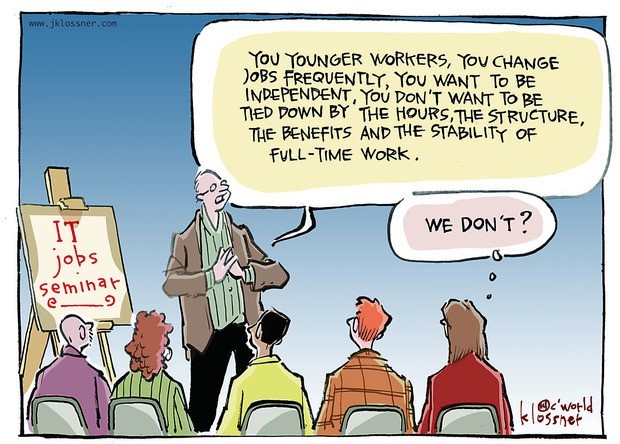
Having looked into the average tenure in tech companies listed in Fortune 500, I was very surprised to see just how low this is. Google, Amazon and Mosaic all had below 1,1 year in average tenure. And while there are undoubtedly a lot of reasons for this related to generation characteristics, I have come to form a theory of my own.
Having seen how talent is indeed being hired for positions you normally would consider them overqualified for… This is the talent, energy and insight you need to lift the growth levels of your organization. The trainings, systems, (ever scaling and changing) processes are designed in a way that any brain with ‘the right mindset’ can achieve their assigned growth targets quarter after quarter. Sustainably delivering hyper-growth, developing themselves and then either being snatched away to the new new thing or advancing themselves into new positions in their company, should such system be in place. Thus making a high employee tenure an unsettling feature of this type of business. New energy, new talent, new growth, new heights!
The network in this industry is even more powerful, as it is in most industries. When talking to one of our VPs, I was given a very insightful advice. He said “if this is the industry you choose to be in, take a good look around you. All of the people you see around you now are people you will run into the rest of your life.”
That should make you think – are these the people you wish to bump into wherever you go in this world? Is this the environment you can strive and grow in? Are you willing to become a part of an ecosystem that only like minded truly see?
This industry is centralized in different parts of the world, but it is not local nor will it ever be. Technology is truly for everyone and therefore no boundaries will be a separator in this context. And for that reason alone, I would say yes!
Thank you for reading my blog. This blog was originally posted on October 9th 2016 on LinkedIn. You are always welcome to reach out to me to make a comment, share it with your friends, give me a call if you have questions or if you can help enlighten me further me on this topic. Always keen to learn more, always happy to meet new people.






 Momentum Marketing